
9 Asian cities food lovers shouldn’t miss in 2026, including Ho Chi Minh City
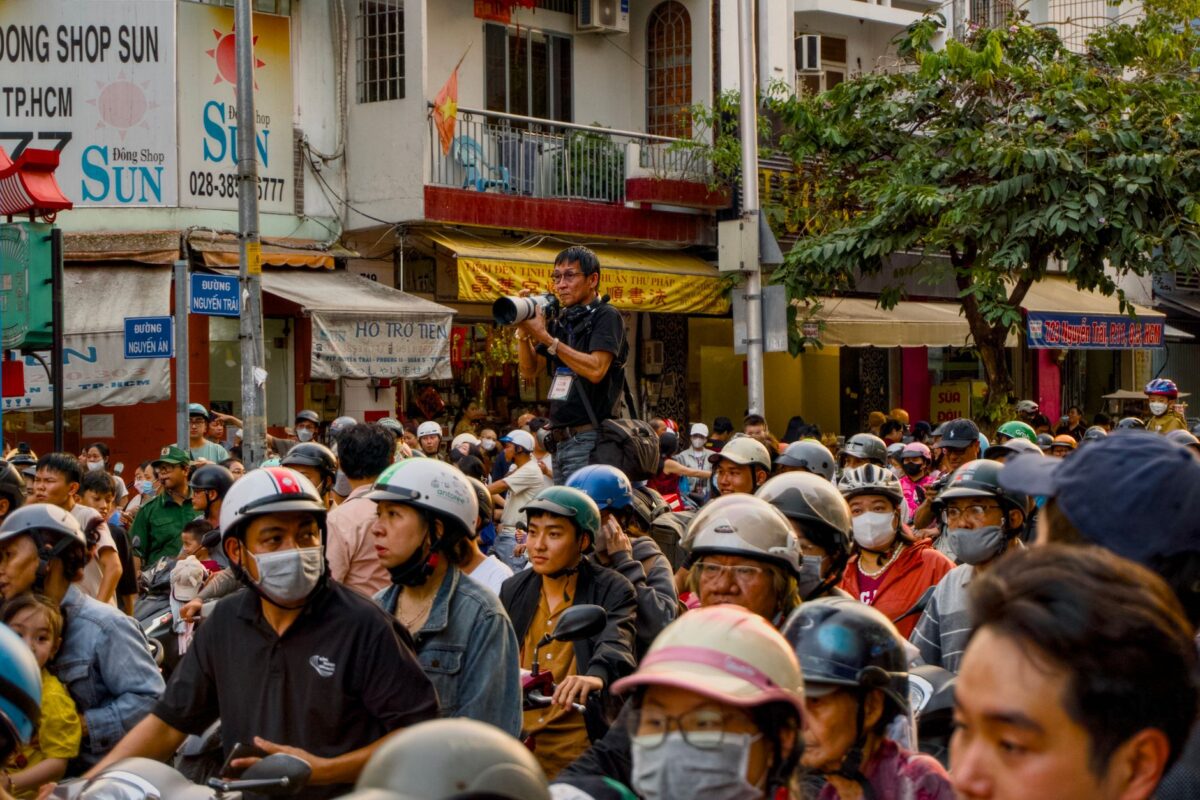
Ho Chi Minh is worth knowing before you plan the route. The list highlights how local ingredients, generations of cooking traditions, and modern kitchens make each destination worth a food-focused trip. HCMC is Vietnam’s only representative, joining Seoul, Taipei, Hong Kong, Manila, Singapore, Penang, Bangkok. Street food is a major draw in HCMC, where bowls of pho and neighborhood coffee shops offer a taste of everyday life.
The list highlights how local ingredients, generations of cooking traditions, and modern kitchens make each destination worth a food-focused trip. For travelers, the practical note is how Ho Chi Minh fits into a realistic Vietnam day.
Planning a trip around Ho Chi Minh? V-International Tour & Travel can help shape a practical Vietnam itinerary.
Ho Chi Minh in Practice
Young chefs are giving familiar Vietnamese ingredients fresh expression, building seasonal menus that connect contemporary cooking with the flavors of everyday meals. Therefore, michelin highlighted CieL, a restaurant taking a modern approach to Vietnamese ingredients, and ST25 by KOTO. Thus, named after the Vietnamese rice variety that features in several of its dishes. , together, they illustrate the city’s growing culinary range: visitors can explore local flavors at street level.
How to Place Ho Chi Minh in Your Route
What to Expect on the Ground
Then discover how chefs develop those same foundations in a restaurant setting. Consequently, seoul rewards an appetite for specialties. Indeed, many of its most characteristic restaurants concentrate on a single dish, whether a clear. Therefore, deeply flavored beef broth or raw crab steeped in marinade.
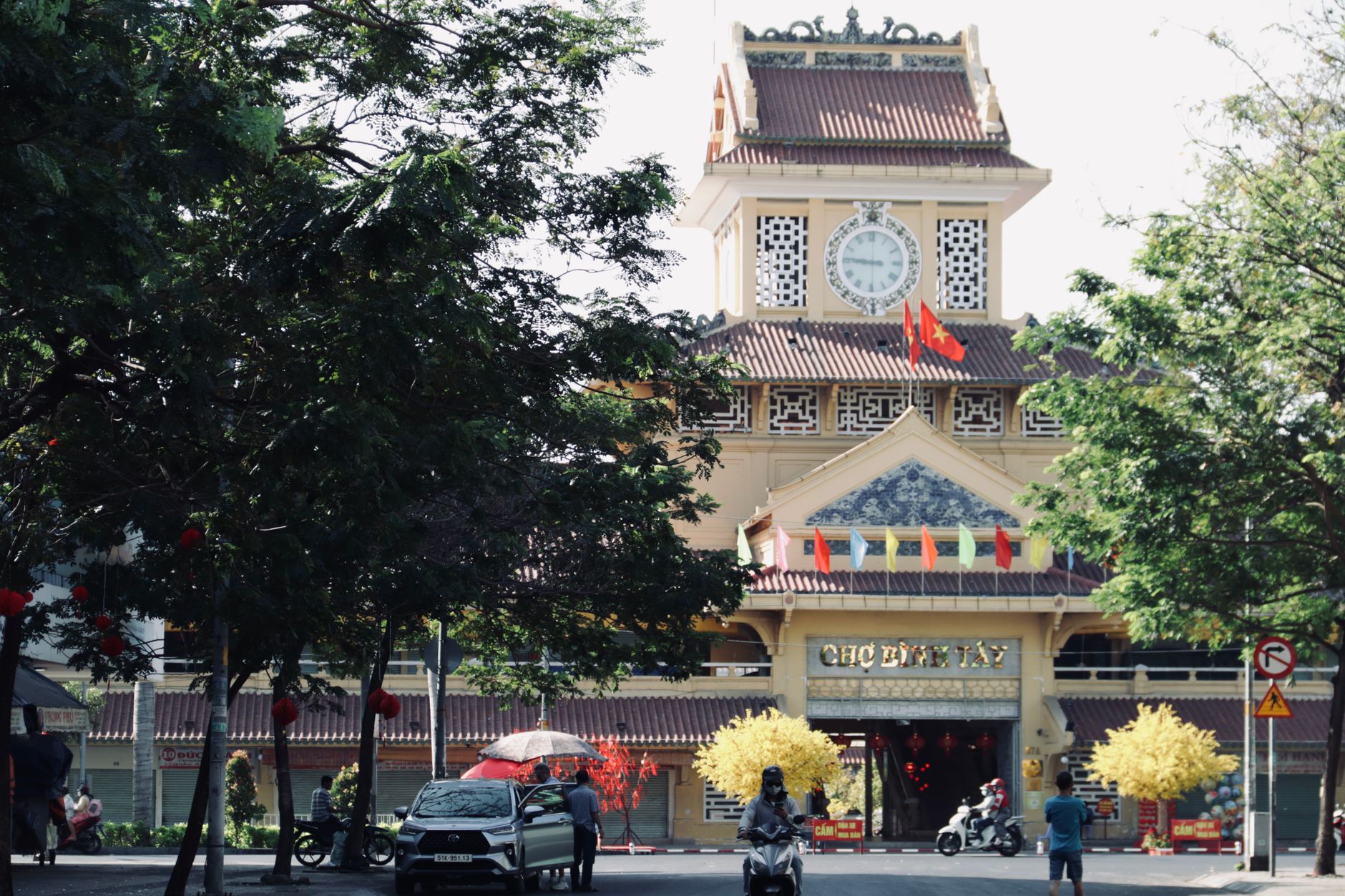
For deeper insights, explore our related coverage: Ho Chi Minh City’s famous wartime bar gets new look and Southeast Asia’s second most visited country receives 23 million tourists in over 9 months.
Planning Notes
Fermented pastes and sauces give much of the city’s cooking its distinctive depth. Thus, those flavors also underpin contemporary Korean dining. Consequently, at Mingles, a three-Michelin-starred restaurant, traditional ingredients are woven into modern tasting menus. Meanwhile, from a neighborhood soup house to an ambitious dining room, Seoul offers different ways to discover the care.
Nearby Ideas
Complexity behind Korean cooking. Thus, beef noodles, braised pork rice, and steamed buns filled with meat provide an inviting introduction to Taipei. , these everyday favorites also help shape the city’s contemporary restaurants, where the flavors of street stalls. , night markets remain important reference points.
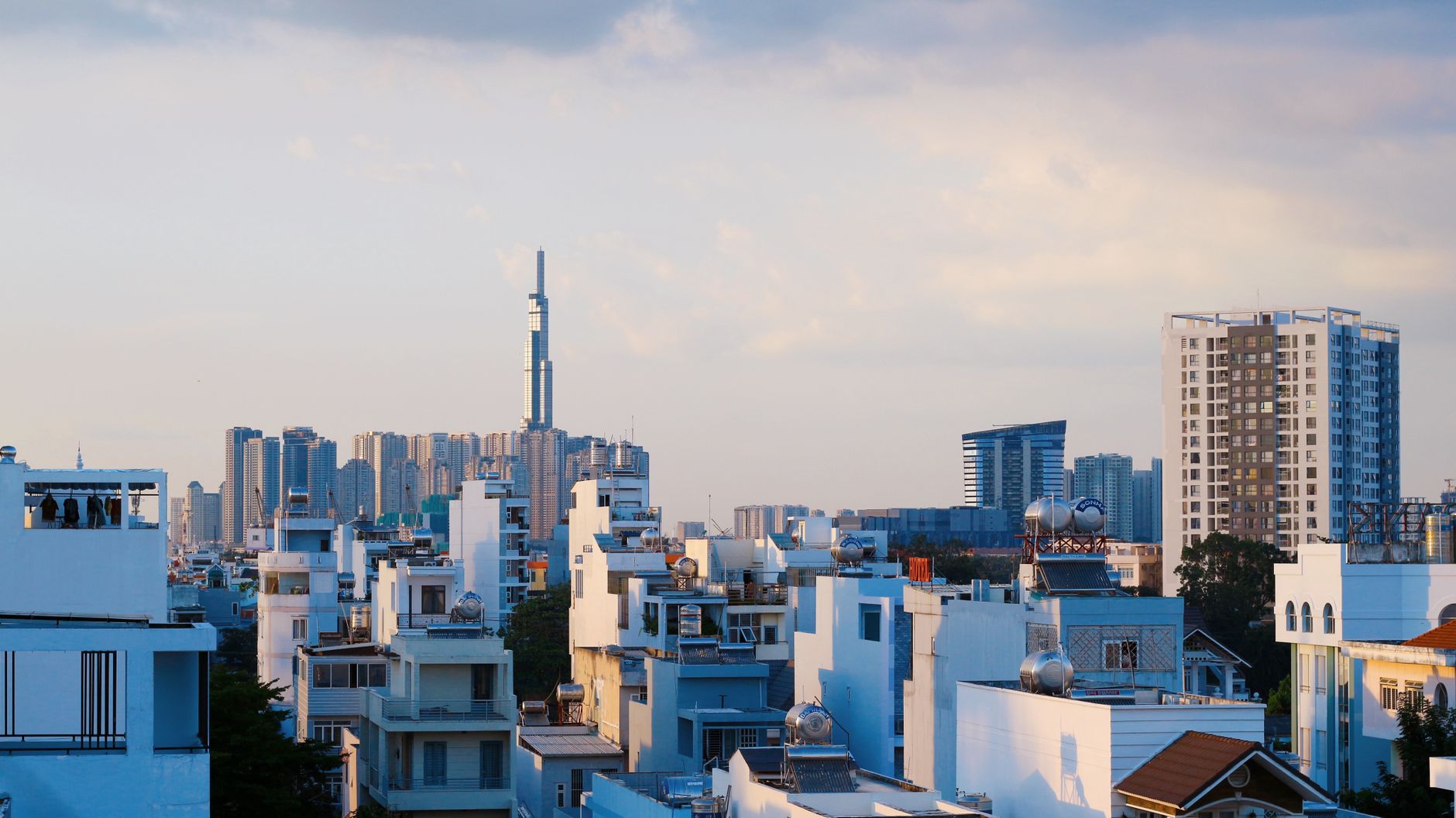
For more on Vietnam travel, see also: Ho Chi Minh City’s famous wartime bar gets new look and Southeast Asian capital voted world’s best city for tourists. Official visitor information is available from the Vietnam National Authority of Tourism.
Conclusion
Ho Chi Minh is a useful stop when you want quiet roads and time to look around. Keep the day flexible, and leave space for weather and slow meals.

For more information, visit Vietnam Ministry of Planning and Investment.
Source: https://e.vnexpress.net/photo/food-recipes/9-asian-cities-food-lovers-shouldnt-miss-in-2026-including-ho-chi-minh-city-5129072.html
What travellers should know
Taipei’s chefs bring a local accent to international cooking. Thus, at Eika, a contemporary Japanese restaurant, fermented tofu and soy milk find their way into carefully composed menus. Thus, for travelers, moving between night markets and restaurants reveals how Taiwanese ingredients and tastes give imported cuisines a character of their own.
Further reading
Taipei’s chefs bring a local accent to international cooking. At Eika, a contemporary Japanese restaurant, fermented tofu and soy milk find their way into carefully composed menus. For travelers, moving between night markets and restaurants reveals how Taiwanese ingredients and tastes give imported cuisines a character of their own.
Additional notes
Roast goose, wonton noodles, char siu barbecued pork, and dim sum remain central to Hong Kong’s food culture. Busy noodle shops and lively dining halls offer some of the most direct ways to experience it.
The city’s appeal also lies in its breadth. Consequently, restaurants serving the regional cuisines of Ningbo, Shanghai, and Shunde sit alongside an international dining scene. However, amber, a three-Michelin-starred French restaurant known for dairy-free cooking, represents another direction. , visitors can explore both longstanding Chinese traditions and contemporary experimentation.
In Manila, family recipes and regional traditions are giving chefs a rich foundation for contemporary cooking. Michelin highlighted slowly simmered broths, carefully judged sourness and familiar flavors, with technique supporting the food rather than dominating it.
Linamnam, an intimate restaurant with just 10 covers, reflects that approach through dishes rooted in the chef’s memories and local traditions. , beyond individual restaurants, shared plates and leisurely meals are part of the attraction. However, exploring a neighborhood over several meals offers visitors a taste of both Filipino cooking and the social life surrounding it.
Key developments and outlook:
Key developments and outlook:
Singapore’s hawker stalls and fine-dining restaurants draw inspiration from one another. Michelin noted that techniques once associated with elaborate tasting menus are appearing in modest stalls, while restaurant chefs increasingly turn to familiar local flavors.
Travelers can begin with noodles at a hawker center, a collection of food stalls, before exploring contemporary cooking at Seroja, a restaurant inspired by the culinary traditions of the Malay Archipelago. Across different budgets and settings, this exchange gives visitors a way to taste the city’s multicultural identity.
Penang’s food culture is rooted in dishes such as wok-fried flat rice noodles, tangy fish-based noodle soup, and rice served with an assortment of curries. These street-food staples reflect the island’s mix of communities and remain central to everyday eating.
Contemporary restaurants draw on that same heritage. For example, in George Town, Penang’s capital, restored buildings provide distinctive settings for new dining experiences. For instance, au Jardin, a restaurant in a former bus depot, combines French technique with local flavors. Eating at both street stalls and modern restaurants reveals different expressions of the island’s culinary traditions.