
Disposable Clothing on Trips: Why Some Travellers Buy Cheap Outfits for Photos
Travellers have always packed with photos in mind. A growing twist on that habit is disposable clothing — inexpensive outfits bought mainly for a trip, worn once or twice for pictures, then discarded or resold after returning home.
This note explains where the trend came from, what kinds of pieces people choose, and how to think about packing if you want strong travel photos without creating extra waste.
What “disposable clothing” means for travellers
The phrase describes low-cost garments purchased specifically for travel and never meant to join a long-term wardrobe. On Chinese social media, related hashtags drew 6.8 million views and 135,000 discussions on a single platform during a recent summer surge.
Typical price bands are modest: about 10–50 yuan (roughly US$1.40–7) per piece. One female tourist said she bought five outfits for a seven-day trip for less than 200 yuan, with no plan to keep them afterward, according to the South China Morning Post.
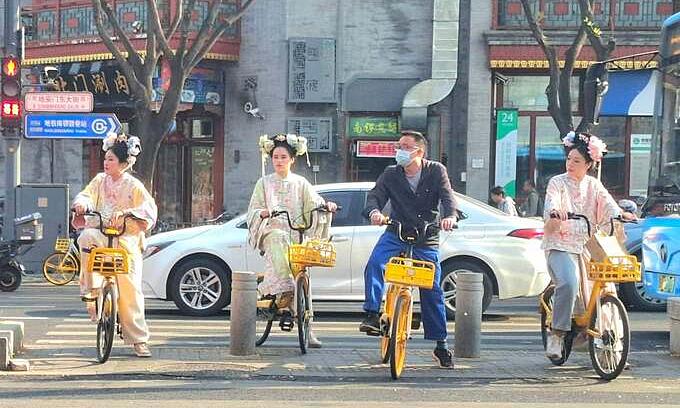
Designs lean photogenic rather than everyday: ethnic-style long dresses and capes for beaches and forests, or brightly coloured fluorescent windbreakers that pop on camera. They can look too formal or elaborate for ordinary wear, which is exactly why some travellers treat them as one-trip props.
Why the idea spreads — and why it draws criticism
Supporters argue the math works for rare occasions. If a dress is worn only for a shoot, buying a cheaper version can feel smarter than investing in pieces that sit unused at home. Discussions get louder during peak travel seasons, when outfit planning is already top of mind.
Critics focus on textile waste. The United Nations Environment Programme estimates around 92 million tons of textile waste are generated globally each year. Textile production doubled between 2000 and 2015, while the average lifespan of garments fell by 36%. Only 8% of textile fibres came from recycled materials in 2023, and clothing and textiles accounted for around 11% of plastic waste.
So the trade-off is real: cheaper photos now, more discard piles later. Neither side is entirely wrong — which is why packing choices deserve a deliberate look.
Practical packing notes if you want strong trip photos
You do not need a throwaway wardrobe to get good images. A few calmer habits work well on city walks, coastal days, and heritage stops across Vietnam and the region:
- Choose pieces you will actually wear again — a solid colour top, a light layer, and shoes you can walk in.
- Plan around outfit repeats. One strong jacket photographed in different places reads better than five cheap costumes.
- If you do buy locally for a look, prefer rental or second-hand options when they are easy to find, and bring the item home if it still has life in it.
- Pack a small laundry kit. Fresh-looking clothes matter more in photos than brand-new ones.
These habits keep luggage light and still leave room for a distinctive look in each frame.
How this fits a Vietnam itinerary
Photo-led packing pairs naturally with slower city days: Old Quarter lanes in Hanoi, riverside walks in Hoi An, or beach light in Da Nang. The best images often come from timing and place, not from a single-use outfit.
If you are shaping a route around markets, food streets, or heritage stops, our team can help balance photo-friendly pacing with real logistics. Explore V-International Tour & Travel for practical Vietnam itineraries, or browse destinations to start with place first.
Conclusion
Disposable clothing is a window into how travellers negotiate cost, image, and waste. Buy less for the camera, pack pieces with a second life, and spend the saved energy on where you stand when the shutter opens.
For official visitor information and destination updates, see the Vietnam National Authority of Tourism.
Source: VnExpress