
7 Amazing Secrets of Traditional Dó Paper Making in 2026
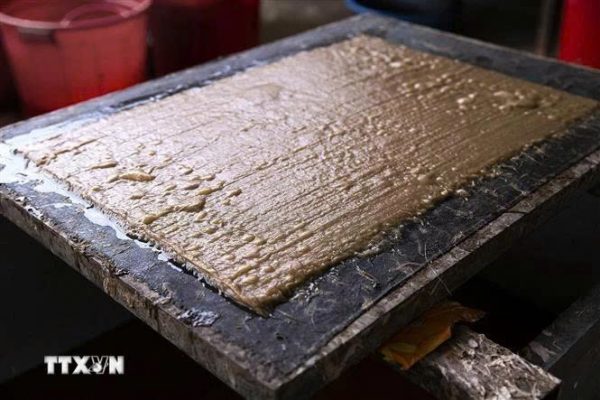
The art of traditional Zó paper making is a profound testament to Vietnam’s enduring cultural heritage. Nestled amidst the breathtaking landscapes of Hoa Binh, Vietnam, lies a unique cultural gem that has survived for over eight centuries. This time-honored practice offers more than just a product; it provides a window into the soul of the Muong ethnic minority. Visitors can now embark on a journey to witness this meticulous craft firsthand, immersing themselves in a world where nature and human ingenuity intertwine.
Why You Need to Discover This Ancient Craft
Success in cultural preservation requires more than just passion. A professional traditional Dó paper making tour ensures that you understand the technical infrastructure behind the art, making it easier for visitors to appreciate the complexity of the process. In today’s fast-paced world, finding a sustainable social business like the “Zó Project” is essential for keeping these amazing secrets alive. Furthermore, these efforts align with global initiatives for Intangible Cultural Heritage by UNESCO, which recognizes the importance of preserving artisanal skills.
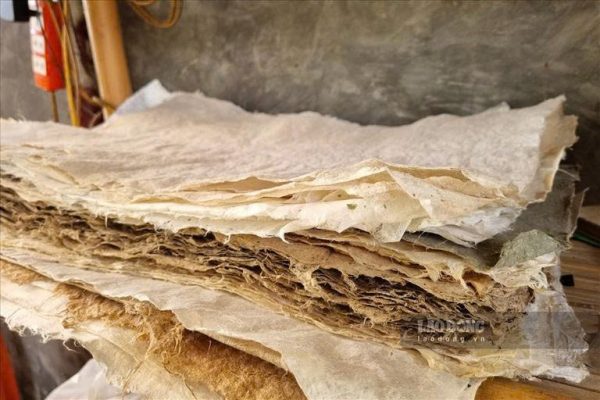
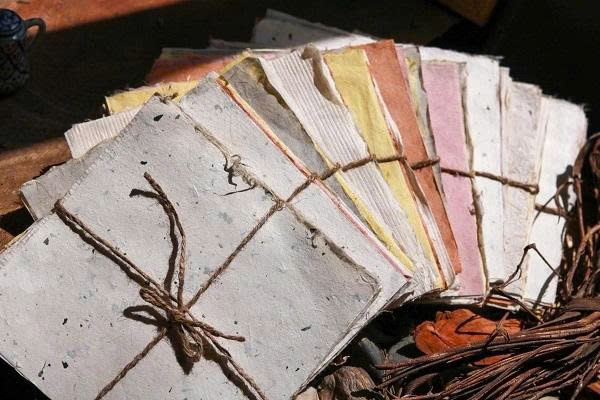
Core Pillars of the Zó Process
To appreciate the quality of the paper, one must understand the three main areas of production:
-
Material Selection: Harvesting the specific bark of the Rhamnoneuron balansae tree.
-
Artisan Technique: Using 800-year-old secrets to create durable, rot-resistant sheets.
-
Environmental Harmony: Utilizing natural elements like flowers and plants for decoration.
| Stage | Process Detail | Duration |
| Preparation | Bark soaking and steaming | 24+ Hours |
| Crafting | Pounding and sieving pulp | 3 Hours |
| Finishing | Natural sun-drying | 5 Hours |
Executing Your Custom Zó Paper Creation
The execution phase involves fine-tuning your own paper. Start by observing the masters to see where your traditional Dó paper making technique can be improved. Furthermore, you will have first-hand experience watching the bark become paper. Therefore, you gain an insight into the livelihood of the Muong ethnic minority that a textbook simply cannot provide. For more information on local travel, you can consult the official Vietnam Tourism Board to see how these crafts are being integrated into modern eco-tourism.
A Peaceful Escape from Hanoi
Today, enjoy a 1.5-hour scenic drive Northwest of Hanoi to the lush hills of Hoa Binh province. This region serves as the heart of the Muong people and the sanctuary for traditional Dó paper making. However, the process is not just about labor; it is about relaxation. Enjoy a peaceful and relaxing day away from Hanoi’s hustle and bustle with fresh air and a bamboo house being your hideaway for the day.
Furthermore, you can decorate your own paper with flowers, corn, and local plants. This interactive workshop allows you to apply the amazing secrets of the craft to your own unique souvenir. Consequently, you leave with more than just paper; you leave with a piece of Vietnamese history.
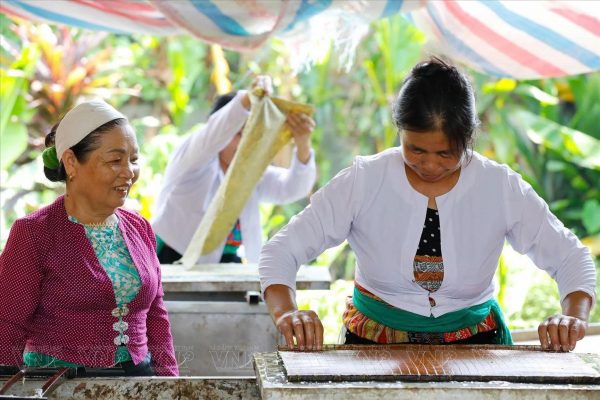
Important Tour Notes
-
Operates: 08:00 – 17:00 (Daily).
-
Inclusions: Transportation, mineral water, English-speaking guide, and workshop materials.
-
Exclusions: Personal tips and gratuities.
-
Advice: Wear comfortable clothes and shoes. Avoid bringing precious jewelry.
Conclusion
A high-performing cultural experience is never truly finished; the memories stay with you. By following this framework, you provide search engines—and your own soul—with the clarity needed to appreciate the secrets of Vietnam’s past. Traditional Dó paper making remains one of the most resilient crafts in Southeast Asia, and visiting Hoa Binh is the best way to support its future.
Interested in another place? Check out our Ba Vi tour here!